

It’s a busy Wednesday in October and the numbers are good. You just closed your best quarter since you opened. Your bookkeeper sent the P&L with a note that said “nice work,” and you read it twice in the Target parking lot off Memorial.
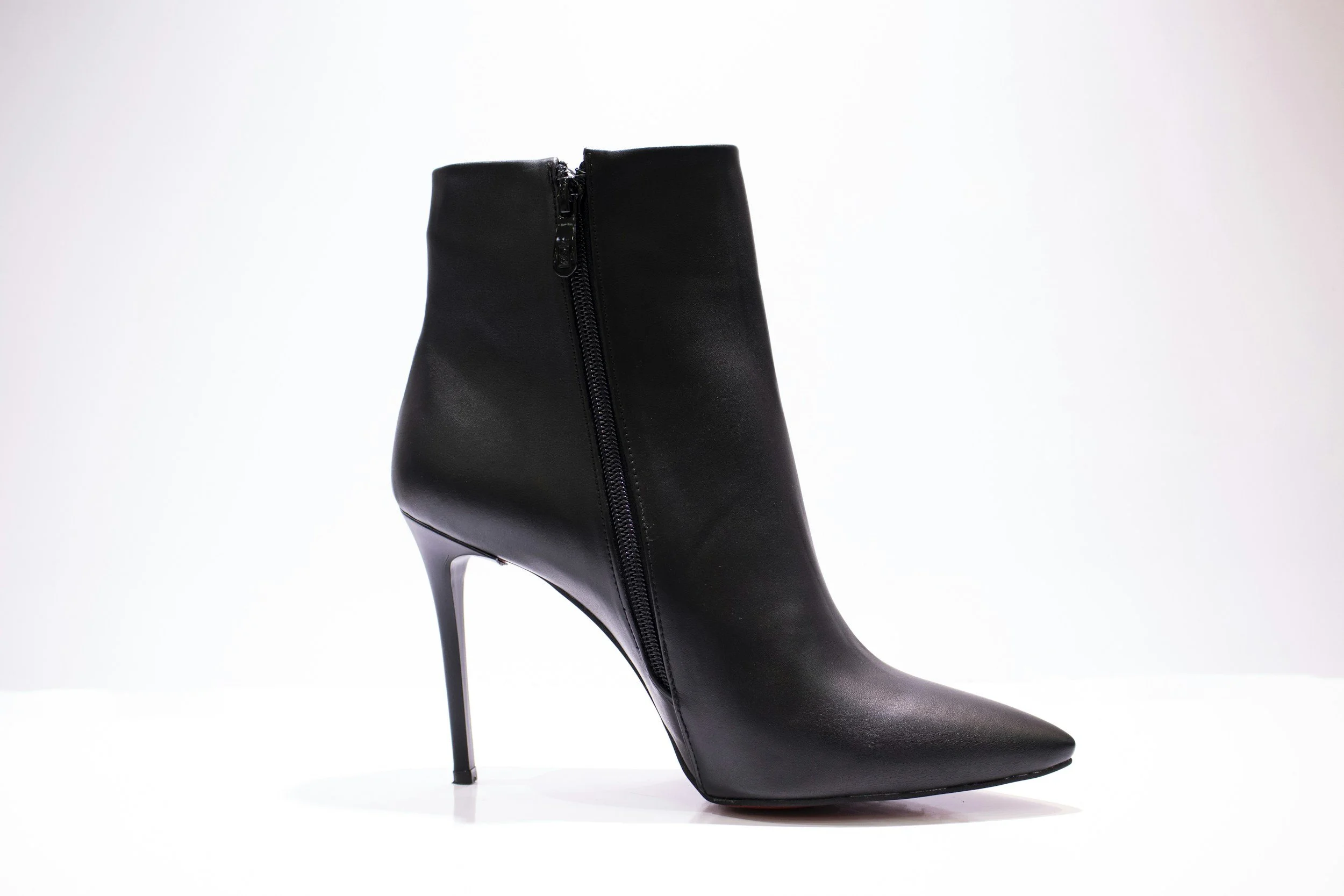
Inside, you grab paper towels and leave with paper towels. The boots you’ve been looking at since August stay on the shelf, despite the longing you have when you look at them.
You’ve built something so successful you can afford to buy 5 pairs of those freakin’ boots. Your revenue goes up, but giving yourself permission? That’s the gap between what you earn and what you’ll let yourself have. The better your business does, the wider the gap seems to be. It doesn’t mean you are bad with money.
Most of the women I know, especially the ones who own a business, are very good with money. They know their margins and can tell you what they spent on XYZ last month down to the dollar. What they can’t do is buy a $140 pair of boots without listing out all the reasons why they shouldn’t.
Why Spending on Yourself Feels Different Than Spending on the Business
Watch what happens the next time you want something for yourself. A conversion runs almost automatically.
Boots become two hours of client work.
A weekend away becomes a new hire’s first week of pay.
Spending on the business rarely sets this off. You’ll drop a few thousand dollars on a new website without blinking, because the business is allowed to need things. It has a purpose and it produces. In your childhood, you learned that you’re supposed to run on whatever’s left over, because that’s what your mother or father did.
The guilt only kicks in for one kind of spending: money spent on you, with no output attached to it.
Where Money Guilt Usually Starts
When you justify a purchase in your head, who’s listening?
For many women it isn’t a husband or an accountant. It’s an older voice.
A mother who kept the checkbook and made you account for every dollar.
A house where money came when you’d earned it by being good and easy, and disappeared when you weren’t.
For some women it was the opposite: there was never enough, and wanting anything meant adding to the strain everyone already felt.
Kids who grow up like this learn a rule that’s hard to unlearn. The voice in your head that says, “Money for me has to be earned, and it can be taken back.”
Love and money get tangled together, and spending on yourself starts to feel like asking for something you haven’t been granted.
You built a business. A successful one, so that your own kids would never have to ask. You did it. But the old rule is still running like a track in your head, even with money in the bank.
Why Success Can Make Spending Guilt Worse
You’d think a strong year would loosen things up, but for many women it does the opposite.
When money was tight, not spending was simply reality. Now it’s a choice, and choices can be judged. Good years can also bring a creeping fear that it won’t last. If you grew up around money that could vanish without warning, a good quarter can feel less like safety and more like a setup. Your body braces for the drop, so holding on feels responsible and spending feels like tempting fate.
Then there’s being seen. A woman who does well and enjoys it openly risks being called greedy or accused of forgetting where she came from. In plenty of Oklahoma families and churches, that judgment isn’t hypothetical. It sits at the Thanksgiving table.
What Money Guilt Costs Women Business Owners
Going without costs you more than money. Resentment builds when you’re the one funding everything and never the one receiving. You snap at your kid over a $12 toy because you talked yourself out of something for yourself last week. Rest costs money too, so exhaustion stacks up while you wait to deserve a break.
The business pays for it as well. Women who can’t spend on themselves tend to underpay themselves and put off hiring help, because both of those choices run straight into the same rule.
What Helps When Spending on Yourself Feels Wrong
A budgeting app won’t fix this. You already know your numbers better than any app does. What helps is getting curious about the reaction itself.
Start by catching the conversion math. When you notice yourself translating boots into billable hours, name it. You don’t have to stop it yet. Just notice that it happens, and that it almost never runs when the purchase is for someone else.
Next, set an amount that you will withdraw, in cash, every month. Then it goes into an envelope or a place in your purse and it’s labeled “fun money.”
It doesn’t matter what the amount is. It can be $50 or $500. You decide. What you’re practicing is receiving money you don’t have to defend.
Pay attention to what happens in your body the first time you hand that cash over for a purchase. Maybe your chest gets tight, or you feel the urge to return the thing before you’re out of the parking lot. That’s the old rule talking.
Then ask the harder question: whose voice is that? Sometimes recognizing that the critic sounds exactly like your mother at the kitchen table loosens her grip. Other times it doesn’t, because the rule was laid down early and under real pressure, and insight alone can’t reach that far back.
That’s where trauma therapy comes in. EMDR works with the original experiences that wired money to worth or productivity. The goal isn’t winning an argument in your head every time you want to buy something. It’s so the argument doesn’t even occur in the first place.
You built the business. The boots are still on the shelf. It’s worth finding out why.

If you’re a woman business owner in Oklahoma and this sounds like you, you can read more about how I work with women business owners, or reach out to schedule a consultation.