
You've read about EMDR enough to explain it at a dinner party. Somewhere along the way you watched a clip of a therapist moving two fingers in front of someone's face, and a voice in your head said, "I'm going to look ridiculous." Then a more vulnerable thought followed: "What if I fall apart in front of a stranger?"
Here's what I want you to know before booking anything. The first session is mostly a conversation. Nobody is waving fingers at you on day one. And the work that comes later is slower and far less dramatic than how the internet portrays it.

Vitaly Gariev @ Unsplash
The first session is a conversation
Our first appointment is really us getting to know each other. I'll ask what's bringing you in now as well as some things about your past that are relevant to the current treatment. We will come up with some goals together for what you would like to be different by the time EMDR sessions are completed.
Then I'll walk you through how EMDR works in plain language, including what the eye movements or tapping will actually feel like, so nothing catches you off guard later on.
We'll also set up a stop signal. A raised hand, a word, whatever you choose. When you use it, we stop, and you don't owe me an explanation.
You don't have to tell me the whole story
Trauma can be a complicated thing, and one of the concerns I hear a lot is "what if I have to talk about what happened to me over and over?" This is a valid fear. Who wants to narrate the worst moments of their life in excruciating detail?
The awesome thing about EMDR is that it doesn't work that way. You can name the memories, body sensations, and emotions that we are working with, and we can target that in the EMDR sessions. You don't have to cover the entire situation unless you want to or it would help you process your story.
Building your resources first
Before we touch anything painful, we spend time building what you'll lean on when things get hard. That might mean bringing to mind a place or a person that settles you, and practicing going there on purpose. These are known as resources and they assist you in coming back to your window of tolerance. Your window of tolerance is the zone where you can feel hard things without shutting down or getting flooded.
Resourcing is an important part of the process when doing EMDR therapy. Your nervous system has spent years doing the job of holding everything together, and it's vital that you are able to have what's known as dual awareness. Dual awareness means keeping one foot in the present, here in the room with me, while your brain revisits the past. Resourcing is a key component of that.
Worried you're doing it wrong?
If you have never done EMDR before, it can be intimidating, and it's normal to wonder if you are "doing it wrong." Maybe you're worried you'll cry and spend the rest of the hour apologizing for it. Or that you won't feel anything at all, and I'll quietly decide you're the one person it doesn't work on.
The truth is there is no "right or wrong" way to do this. Yes, there's a protocol that the therapist needs to follow, but there is also a lot of gray area.
You don't always have to cry for it to work. Your brain is adaptive and can do the heavy lifting. That's why EMDR is so magical. My job is to help you stay on track while keeping you anchored in the room. Yours is to notice what comes up and say it out loud.
When reprocessing begins
Once we've built enough of a foundation, we will create an EMDR treatment plan and target an issue you want to start with. The bilateral stimulation will begin after you have a firm handle on an image that represents what issue we are working on, a negative belief that you hold about yourself related to the event, a positive belief that you want to carry, and the emotions and body sensations that are stored in your body as well.
From there we do short sets of rapid eye movements, audio or buzzers, or tapping (like on the knees or with butterfly tapping), where we pause between each set so I can ask you what is coming up. The goal is for you to work all the way through whatever we are targeting, lower the distress level, and integrate the event into your nervous system in a healthy or neutral way so that you are no longer triggered in the present.
We save time at the end of each session to ensure that you feel safe and regulated before we end the session.
The days after your EMDR session(s)
Your brain keeps processing between sessions. Some women feel wiped out, like they just sat through a meeting that ran three hours over. Others feel nothing in particular until the following week, when they notice they didn't snap at their husband over the dishwasher.
If you can, take time to recover after our session is done for the day. No rushing back to work, maybe even taking a nap. And if something between sessions feels heavier than you can carry, tell me.
If you're starting with an intensive
Intensive sessions run two hours instead of one, which changes the pacing. There's room to do real reprocessing and still close well before you leave. Even so, your first intensive session starts the same way: getting to know you and getting you ready.
Want to learn more about intensives? Go here.
"I'm not even sure I have trauma"
You don't need a horrific story to benefit from EMDR therapy. Many of the women I work with would never use the word trauma about themselves. What they know is that a certain tone of voice from their mother still lands in their stomach thirty years later, or that they hold the whole house together and can't figure out why they're so angry. If that sounds familiar, this post on complex trauma in women might be worth a read.
Before your first session
I would recommend dressing in very comfortable clothes, even if that means coming in sweats.
You don't have to make a list of memories. We can work on that together.
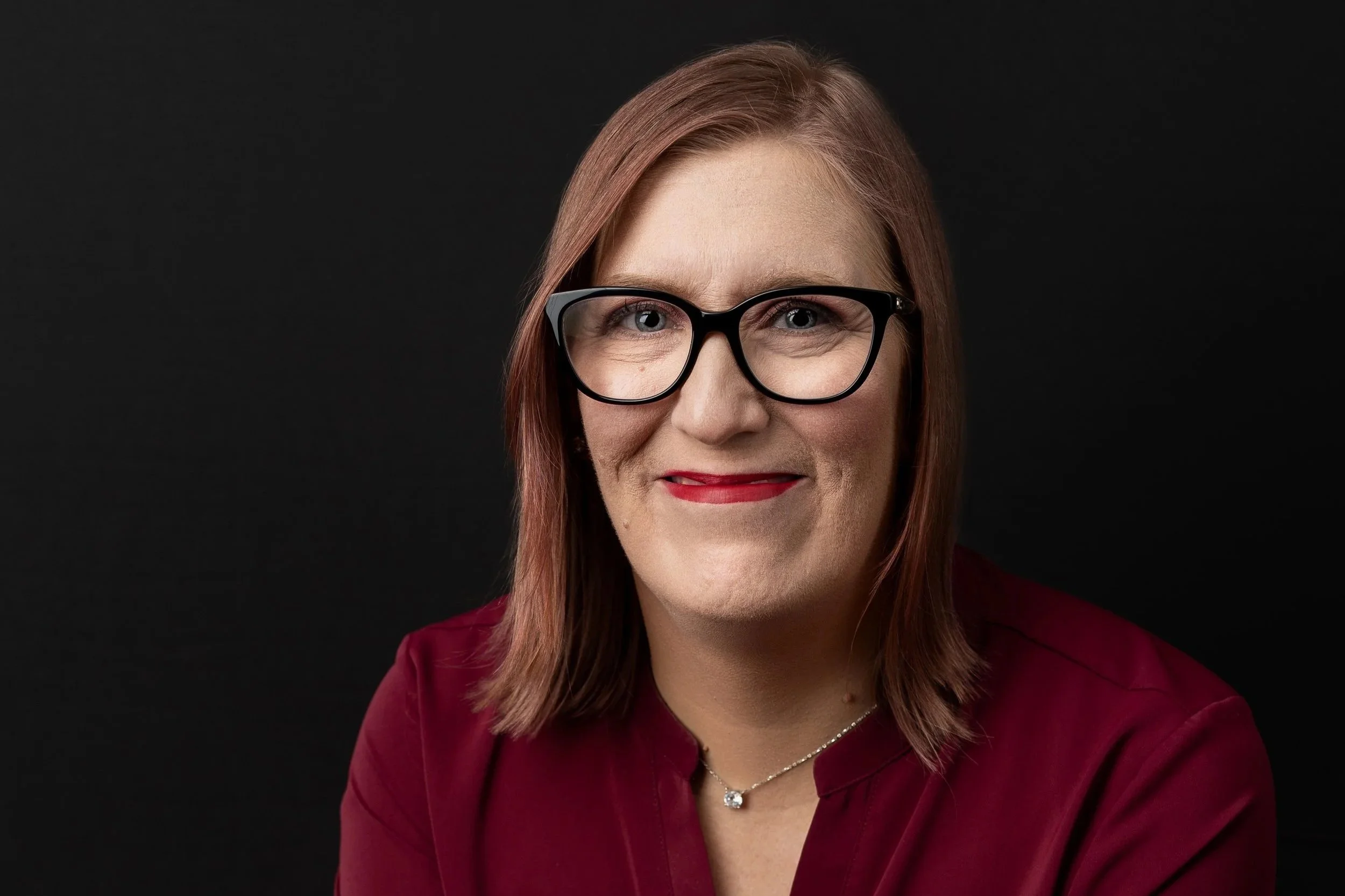
I see women in person in Oklahoma City and by telehealth anywhere in Oklahoma.
If you'd like to talk first, book a free consult.